
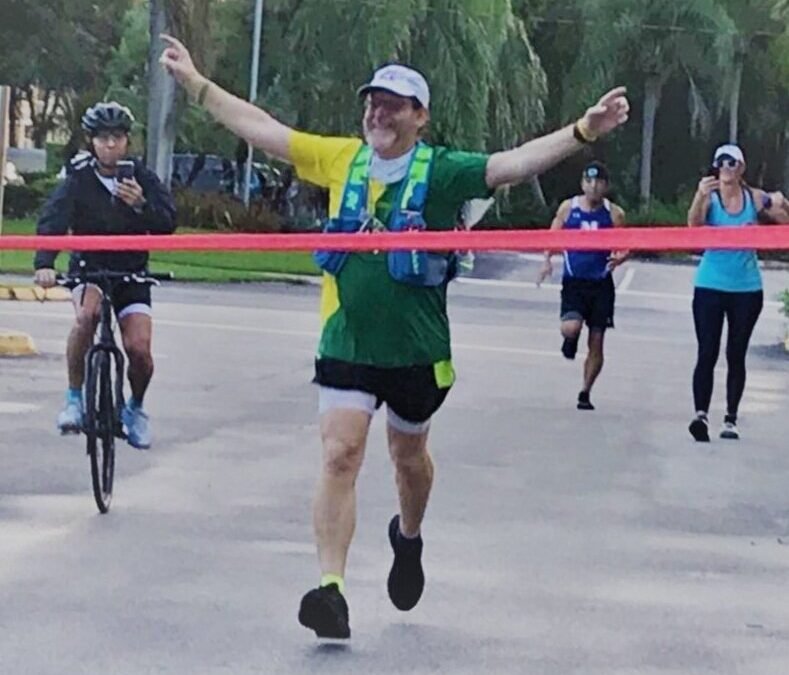
My Virtual NYC Marathon of 2020
By Coach Adolfo Salgueiro
When the New York City Marathon decided to go virtual, I received an invitation to participate in it, not sure why since I did not register even for the lottery. I had no interest. Why would I do a virtual New York when I’ve done it in person twice and it is one of the most amazing running experiences, ever? But the more I thought about it, having a 26.2 on my schedule would give me a tangible goal that, otherwise, there is no chance I would even get close to.
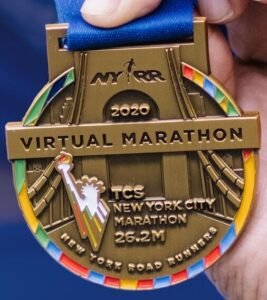
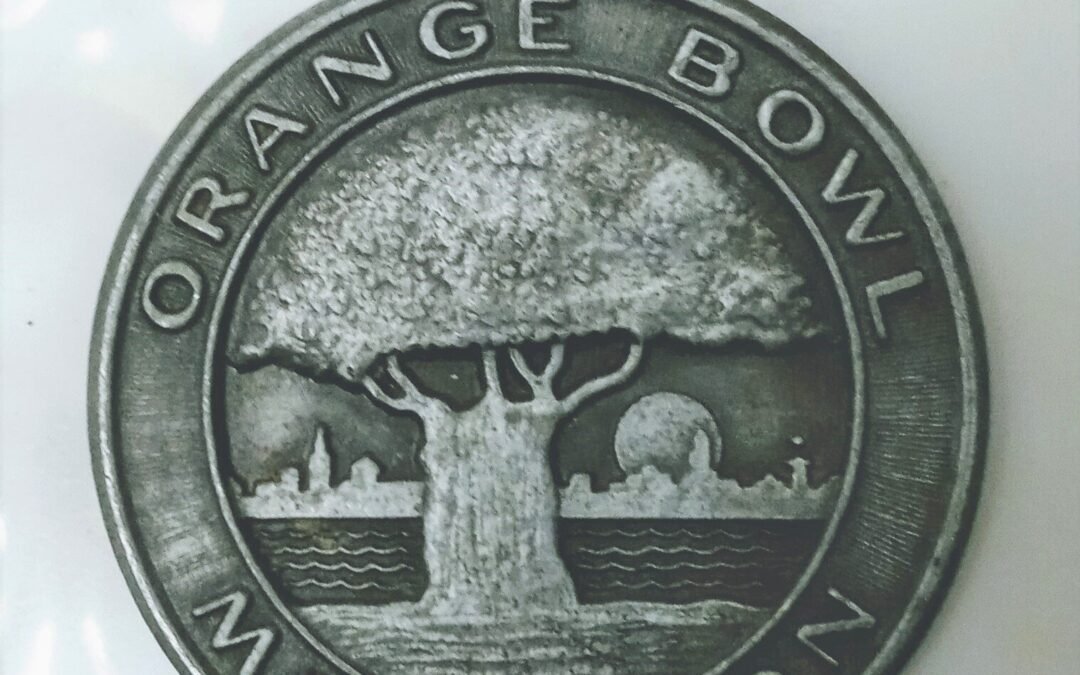
A beautiful addition to the collection that I should be getting soon. This will commemorate my 10th Marathon
Sixty dollars was an affordable price, and a spectacular medal a welcomed incentive. Not sure what else is included, but it is irrelevant. You had between October 17 and November 1 to complete the 26.2. This was just between 8 and 10 weeks away depending on the date I ran it. I settled for October 24th so I could have an extra week of training and a spare one should anything go wrong.
Because of an injury some and health issues I went through last year, I hadn’t run more than 10 kilometers straight during the year. I had gone longer when including walking breaks. Run/walk intervals allowed me to get my fitness and aerobic capacity back. I also had to shed a few extra pounds. So I prepared a NYC plan focusing on steady increment of mileage, management of effort and heart rate control based on full recovery. Finishing time for this one was a secondary consideration. Finishing strong and without injury was more than enough reward.
My plan called for a few running miles at the start and from there on, run half mile and walk another half. Yes, a lot of walking, but I didn’t want to get my heart rate so high that that it would become unsustainable and force me to walk the last 10 miles. As I trained and was able to run more miles, I felt the recovery periods were way too long, so I adjusted. My longest training session was 17 miles, my longest non-stop run was 9 miles. My run/walk intervals got set to .6/.4. I was ready to go.
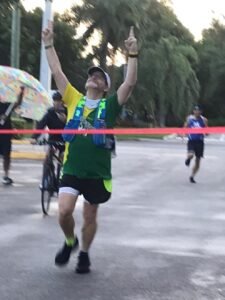
Thanking God as I cross the finish line, surrounded by my running family.
Then, October 24th, 2020 arrived and at 2:26AM I hit the road. I ran the first 6 miles and met with Bill and Rita about 3:30 am for my first water and resupply stop. From there on, I started my run/walk protocol. At first it bothered me to walk when I still felt strong, but I knew it was an investment towards the last miles, and it paid off. At mile 10, I met up with Ted, who accompanied me the next 8 miles. Up to this point my wife followed me in the car, so slow that a cop found it suspicious enough to stop her.
Close to Mile 17, the most amazing thing happened. A caravan of my running buddies passed by with horns, cowbells, yelling and screaming. A shot of adrenaline invaded my body. They were going to our regular Saturday starting spot, where I met them to pick up my last supply cache from Patrick. Once there, I kept going for my last 8.2 miles with a few friends here and there. Ruben stuck with me and ran/walked with me the whole way, sacrificing his training for the day.
I may have missed then entrance to First Avenue from the Queensboro Bridge, but what my buddies from the No-Club Runners had at the finish line was equally impressive. I choked as I ran towards the line through a tunnel of screaming, yelling, cowbells, paparazzi and the support of those who were genuinely elated to share this moment with me. It was not Central Park, but I wouldn’t trade this finish line for it.
Final time accepted by NYRRC was 5:28:14. Almost two minutes below my wildest expectations.
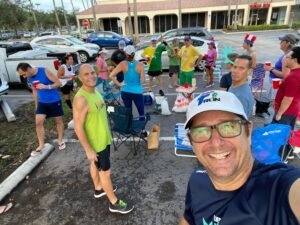
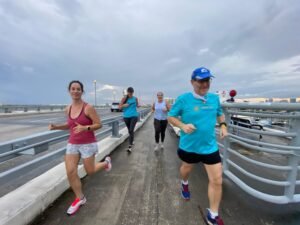
Post-marathon celebration with my buddies from the No-Club Runners. What an amazing bunch of people.
I have been asked if I count this experience as a completed marathon. If I count it as my 3rd time completing NYC? The answer to both questions is yes. The answers are affirmative because this was an established and scheduled race. It did not happen this year because of Covid. This is not a race that popped up to sell you a medal taking advantage of the pandemic. There was a strict time frame on when to do complete the specific distance. This was not a “run what you want, when you want” scheme. On a personal level, it is not like I’ve ran 26.2 so often that I lost count. This is just my 10th time at the distance.
This experience taught me is that I am mentally stronger than I thought. That if I am smart about how to approach certain challenges, adjusting as I work towards them, I can achieve and complete them successfully and safely. That the marathon is still a great adversary, but no unconquerable. And, above all, that I have a running family for which superlative adjectives to qualify them would make no justice to what they mean to me.






 Theodore Roosevelt, the 26th President of the United States, once said that “comparison is the thief of joy”, and I agree 100% with him. Of course, we can’t avoid it all the time, it is part of our human nature. But if we want to get joy out of OUR running, we need to concentrate in what WE are doing and what WE can control. We need to center OUR running life, in OUR progress, OUR failures, OUR injuries, OUR parameters.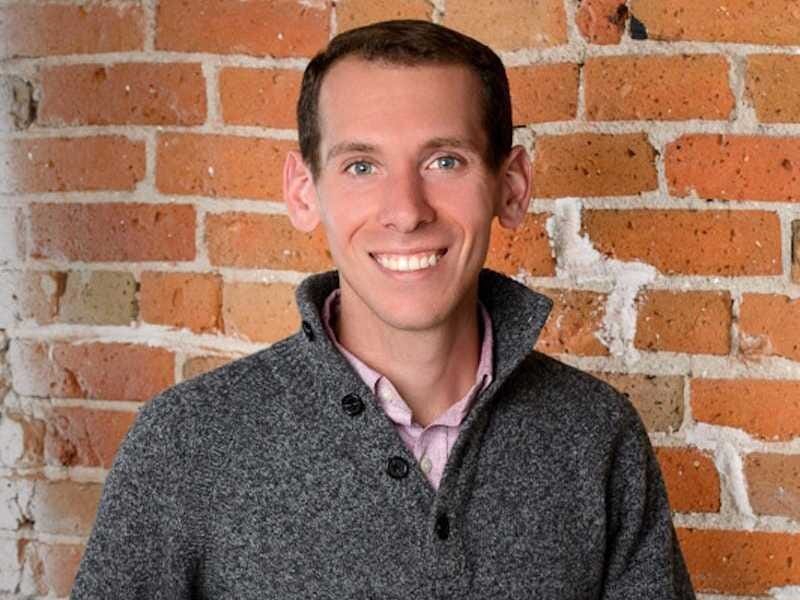

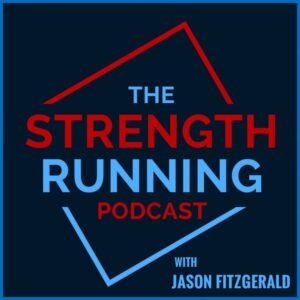 I just started listening to “Strength Running” a couple of weeks ago. This is a podcast hosted by Jason Fitzgerald that, so far, I feel I can openly recommend it to my readers and trainees.